A detailed owner’s checklist to reliable recall from Off Leash K9 Training 30A
Change Your Dog's Obedience Through Engaging and Enjoyable Dog Training Methods
Dog training can typically seem like a duty for both the proprietor and the family pet. Including enjoyable and interesting techniques can change the experience. Recognizing a dog's one-of-a-kind learning design is crucial. This approach not just makes obedience training delightful yet additionally reinforces the bond in between the dog and owner. As we explore various strategies, it comes to be clear that a change in point of view may lead to surprising outcomes. What methods will show most efficient?
Comprehending Your Dog's Understanding Style
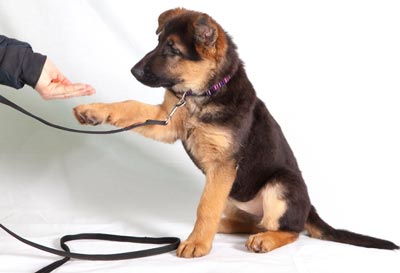
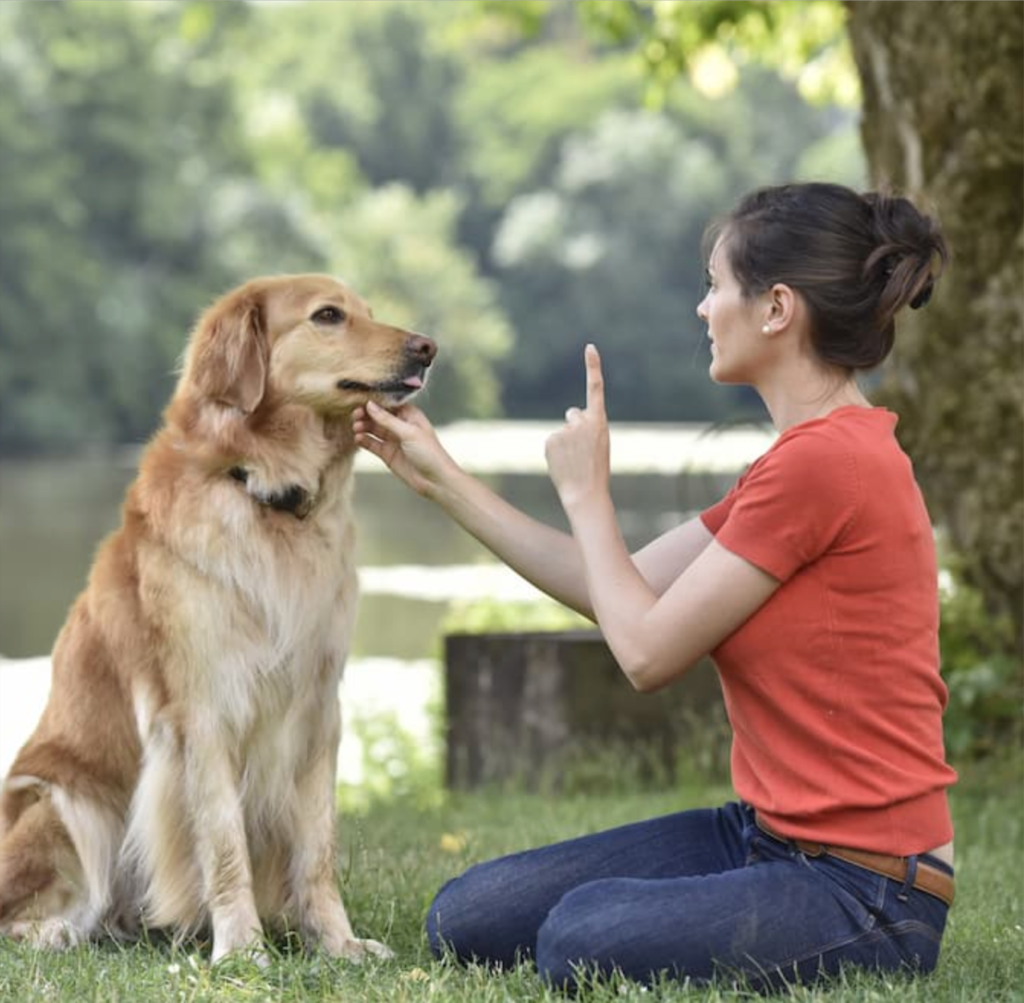
Recognizing a dog's learning design is vital for reliable training, as each canine may react in different ways to different techniques. Some pets are visual learners, prospering on demonstrations and gestures. Others are acoustic students, reacting ideal to verbal commands and cues. Kinesthetic students, on the other hand, like hands-on experiences, requiring physical communication or responsive guidance during training. Acknowledging a dog's one-of-a-kind design can significantly improve interaction and understanding in between the dog and instructor. Additionally, environmental factors, such as disturbances or comfort levels, can impact a dog's ability to learn. As a result, tailoring training techniques to match specific learning designs promotes a much more efficient training atmosphere, eventually causing enhanced obedience and a more powerful bond between the dog and its owner.
Integrating Play Into Training Sessions
Incorporating play into training sessions supplies countless advantages, improving both the learning experience and the bond in between dog and proprietor. Participating in fun games not just makes training satisfying however also reinforces crucial abilities in a positive manner. This method can cause improved emphasis and inspiration, making it a useful strategy for reliable dog training.
Advantages of Playful Training
While numerous dog owners may concentrate only on obedience and self-control during training sessions, the assimilation of play can substantially improve the learning experience for both the trainer and the dog. Lively training fosters a favorable atmosphere, making pets a lot more enthusiastic to get involved and learn. This strategy decreases stress and stress and anxiety, allowing pet dogs to absorb commands a lot more effectively. Integrating play also enhances the bond in between the dog and owner, developing a trusting connection that boosts communication. In addition, participating in spirited activities can enhance a dog's emphasis and retention of new skills, as they link training with fun instead of a duty. Inevitably, playful training results in an extra responsive and inspired canine companion, benefiting both events involved.
Fun Gamings for Knowing
A range of engaging games can significantly enhance the efficiency of dog training sessions. Integrating play into training not just raises a dog's motivation but also enhances the bond in between the dog and fitness instructor. Gamings like "Hide and Look For" motivate pet dogs to utilize their analytic abilities while enhancing commands such as "remain" and "come." Interactive fetch can be adapted to include obedience tasks, making the game both enjoyable and instructional. Barrier training courses test physical dexterity and psychological focus, allowing canines to learn commands in a dynamic environment. By making training enjoyable, dogs are most likely to preserve brand-new skills and respond favorably to commands, inevitably bring about boosted obedience and a happier training experience for both dog and owner.
Using Favorable Support Efficiently
Using positive support effectively involves a strategic application of reward-based training strategies. Timing and consistency are important components that improve learning and promote preferable actions. In addition, building depend on with reinforcement cultivates a more powerful bond between the dog and the fitness instructor, making the training process more reliable.
Reward-Based Training Techniques
Favorable reinforcement has actually become one of one of the most effective approaches for training canines, as it urges preferred actions with incentives rather than penalty. Reward-based training methods capitalize on this concept by utilizing deals with, appreciation, or play as rewards completely habits. Instructors typically recommend determining what encourages the dog, whether it be food, toys, or affection, customizing rewards to specific choices. This method cultivates a positive learning atmosphere, boosting the bond in between the dog and fitness instructor (Puppy Training Freeport Florida). Additionally, reward-based methods can be put on numerous commands and behaviors, making them versatile in training sessions. By constantly fulfilling desired actions, pet dogs find out to link those behaviors with positive results, causing boosted obedience and total well-being
Timing and Consistency Matters
Effective training copyrights on the exact timing and uniformity of incentives. When a dog executes a wanted actions, prompt support strengthens the link in between the benefit and the activity. Delayed rewards can confuse the dog, resulting in misconceptions about what behavior is being rewarded. Consistency in applying incentives is just as important; using the very same signs and timing constructs a clear understanding for the dog. Irregular support may lead to irritation or an absence of motivation, as the dog has a hard time to understand expectations. By maintaining a steady approach, instructors can boost learning and motivate positive actions. Inevitably, reliable timing and consistency in using positive support produce a strong foundation for effective dog training end results.
Building Trust Through Support
Establishing a strong bond in between a dog and its fitness instructor is vital for successful training end results, and favorable reinforcement plays a key duty in this process. This method concentrates on satisfying desired actions, which motivates canines to duplicate those actions. Puppy Trainer Near Me. Incentives can include deals with, praise, or celebrity dog trainer play, making the experience pleasurable for the dog. By continually applying favorable support, trainers can foster trust fund and strengthen their relationship with the dog. This trust results in boosted receptiveness throughout training sessions, as the dog feels safe and secure and valued. Furthermore, positive reinforcement reduces fear-based feedbacks, promoting a healthy and balanced learning environment. Eventually, reliable use of positive support not only improves obedience yet also nurtures a lasting bond between the dog and its fitness instructor
Imaginative Games to Improve Obedience
Several dog owners seek innovative means to reinforce obedience while keeping training sessions engaging and enjoyable. Imaginative video games serve as an efficient approach to achieve this balance. One prominent video game is "Look For and hide," where owners hide and call their canines, motivating recall commands. An additional engaging option is "Simon Says," which strengthens commands like rest, remain, and set in a spirited fashion. Incorporating fetch with commands can also enhance obedience; tossing a toy while instructing the dog to "drop it" promotes both play and self-control. Agility programs use an additional vibrant approach, incorporating physical task with obedience training. These video games not only reinforce the bond in between dogs and their proprietors however also make finding out satisfying for both celebrations.
Socializing as a Training Device
Participating in innovative video games not only reinforces obedience but also provides an opportunity for pets to create vital social abilities. Socialization serves as an important training tool, permitting pets to connect with different atmospheres, people, and various other pets. With structured playdates and group training sessions, pets find out to browse social dynamics, decreasing anxiety and aggressiveness. Favorable experiences during these communications cultivate self-confidence, motivating dogs to react properly in diverse situations. In addition, direct exposure to different stimuli aids reduce fearfulness and advertises versatility, essential qualities for well-behaved pets. Integrating socialization right into training routines improves the total learning experience, making certain that dogs are not simply loyal yet also well-adjusted friends. This all natural method inevitably results in an extra harmonious connection between dogs and their owners.
Setting Practical Goals for Success
Exactly how can dog proprietors guarantee reliable training outcomes? By setting sensible objectives for success, they produce a clear roadmap for next their training trip. Developing achievable goals aids owners preserve inspiration and procedure progression. Rather of aiming for a perfectly obedient dog right away, they may concentrate on understanding one command at a time. This step-by-step approach fosters a positive learning atmosphere, minimizing aggravation for both the dog and owner. Furthermore, identifying specific distinctions in pets' learning rate permits personalized training strategies. Celebrating small victories, such as a successful sit or stay, enhances self-confidence and urges more learning. Inevitably, practical objectives assure that dog training continues to be a fulfilling and enjoyable experience for everybody included.
Often Asked Inquiries
How much time Does It Normally Take to See Outcomes From Educating?
Usually, results from dog training can be observed within a few weeks, relying on the dog's age, character, and uniformity of method. Dedicated, routine sessions typically increase the discovering process and strengthen obedience.
What Age Is Best to Begin Training My Dog?
The very best age to start educating a dog is around 8 weeks old. Early training helps establish excellent practices and socializing, making it much easier for dogs to adapt and find out as they grow.
Can Older Pets Learn New Commands Effectively?
Yes, older canines can learn new commands efficiently. With patience, consistency, and favorable support, they can get brand-new abilities. Their life experience commonly aids in comprehending commands, making training sessions awarding for both the dog and owner.
How Do I Handle Interruptions During Educating Procedure?
To manage diversions during training sessions, one ought to begin in a silent setting, slowly introduce distractions, make use of high-value incentives for emphasis, and remain patient, urging the dog to remain engaged with consistent technique and positive support.
What if My Dog Does Not React to Rewards?
Acknowledging a dog's unique style can substantially enhance communication and understanding between the dog and fitness instructor. While lots of dog proprietors might concentrate solely on obedience and discipline during training sessions, the combination of play can considerably improve the learning experience for both the dog and the instructor. Including play right into training not just raises a dog's inspiration yet additionally reinforces the bond in between the dog and instructor. Favorable support has actually arised as one of the most efficient techniques for training canines, as it encourages desired behaviors through incentives instead than penalty. Commonly, results from dog training can be observed within a couple of weeks, depending on the dog's age, character, and consistency of method.